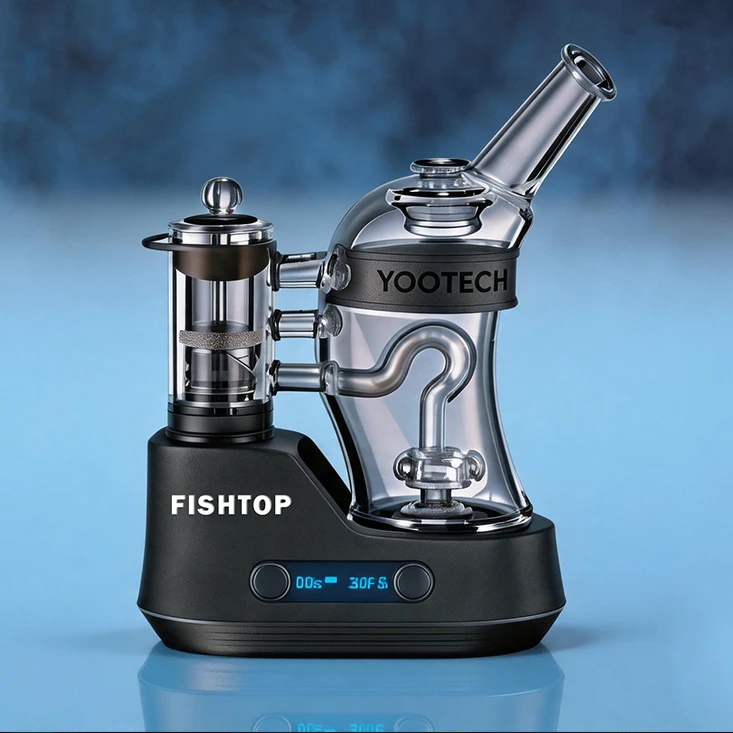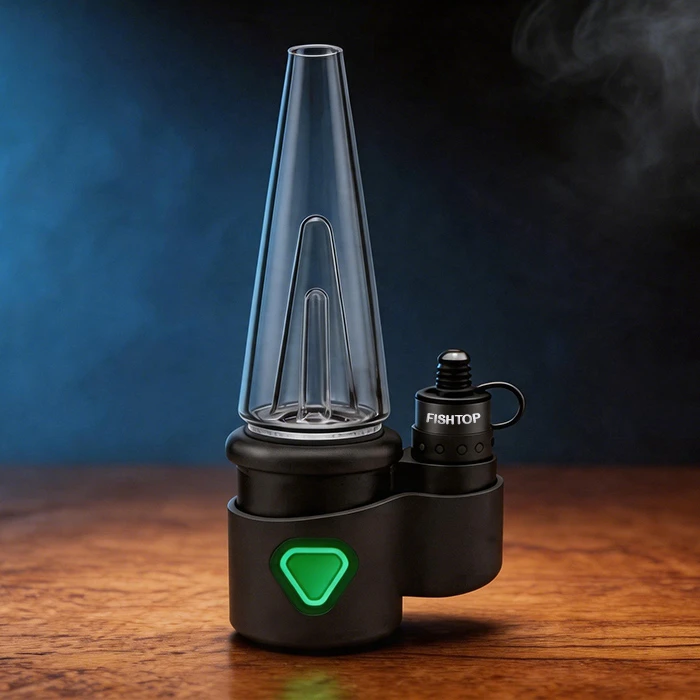
Developing a custom vaporizer product requires coordination between product strategy, engineering design, electronics integration, testing, and manufacturing preparation. A professional development process helps brands reduce risks and create reliable products.
From the initial concept to mass production, each stage requires careful engineering decisions and validation.
Step 1: Product Concept and Requirement Analysis
The first stage focuses on understanding product goals, target users, market positioning, and technical requirements.
Engineering teams evaluate:
Product concept.
Functional requirements.
Performance targets.
Manufacturing feasibility.
Step 2: Industrial Design and Structural Development
After requirements are defined, engineers develop product structures, mechanical designs, and component layouts.
Important considerations include:
Product appearance.
Internal space optimization.
Component integration.
Manufacturing feasibility.
Step 3: Electronic Hardware and Firmware Integration
Electronic systems are integrated with the mechanical structure to achieve reliable product operation.
This stage may include:
PCBA development.
Power management.
Firmware functions.
Temperature control.
Step 4: Prototype Development and Engineering Validation
Prototype development allows engineers to verify product performance, structure, and user experience before mass production.
Validation may include:
Functional testing.
Structural evaluation.
Performance verification.
Design optimization.
Step 5: Manufacturing Preparation and Quality Control
Before mass production, manufacturing processes, assembly methods, and quality standards need to be established.
Step 6: Mass Production and Continuous Optimization
Mass production requires stable manufacturing processes, quality monitoring, and continuous improvement.
Why Professional OEM/ODM Support Matters
A successful vaporizer project requires cooperation between product design, electronics engineering, thermal systems, testing, and manufacturing teams.
An experienced OEM/ODM partner can help brands transform product concepts into production-ready platforms.
Conclusion
The vaporizer product development process combines design, engineering, validation, and manufacturing capabilities. A structured development approach helps brands build reliable and competitive products.
Request OEM Consultation
Discuss your custom vaporizer development project with DAB engineering team.